
How to choose an electric scooter in Malaysia: start with your route, not the spec sheet
Range and top speed are the easiest numbers to compare and the least useful on their own. Here is the order Dr Scooter works through before recommending a scooter.
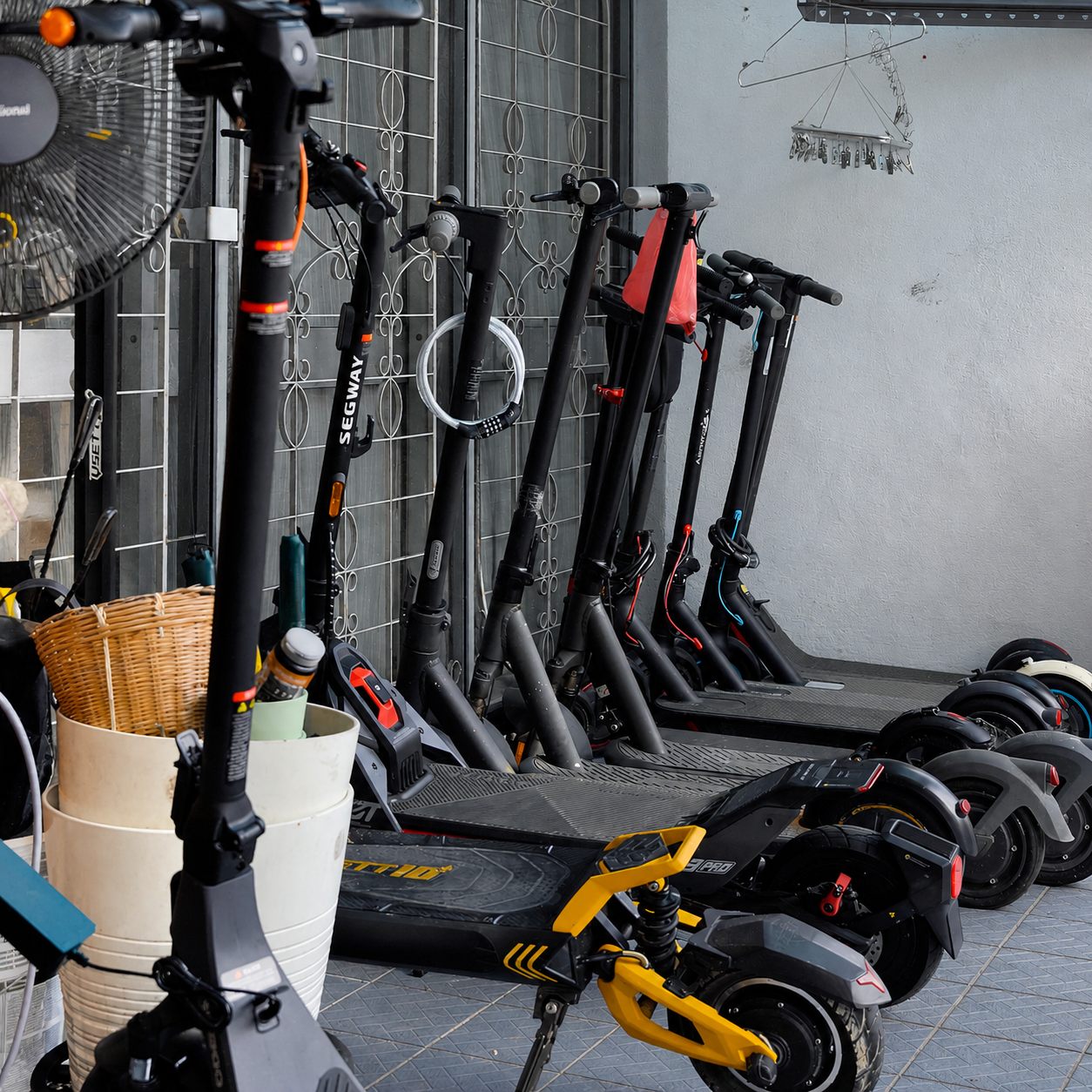
Most people start a scooter search with two numbers: range and top speed. They are the easiest specifications to compare across listings, and on their own they are the least useful. A scooter that suits a flat two kilometre run to the LRT is a different machine from one that carries a heavier rider up Damansara slopes every morning, even when the spec sheets look similar.
Here is the order we work through at the workshop before recommending anything.
1. Describe the route, not the distance
A route is more than a number of kilometres. Slopes, road surface, kerbs, and how much of the ride is on rough tarmac all change what the scooter has to survive. Two riders covering the same distance can wear out very different parts.
Tell us where you actually ride: the housing area, the station run, the stretch of main road you cannot avoid. That description tells us more than a range figure ever will.
2. Add rider weight and load
Rider weight affects real range, brake wear, tyre wear, and how hard the motor works on inclines. Every scooter has a rated load, and riding near or above it shortens the life of the parts that keep you safe.
If you carry a bag, groceries, or a passenger's worth of extra weight, that belongs in the conversation too.
3. Decide where the scooter lives
Storage decides more purchases than people expect. A scooter that has to go up a staircase, into a car boot, or under an office desk has a weight and folded size limit before anything else matters. A scooter that lives in a porch can be heavier and more capable.
- Carrying it regularly? Weight and folded size come first.
- Storing it outdoors or riding in rain? Water resistance and rust-prone hardware matter more.
- Charging indoors? Plan where the pack will sit while it charges.
4. Then look at the specification
Only now do the numbers mean anything. With the route, load, and storage settled, range, motor output, brakes, and suspension can be judged against a real job instead of against each other.
This is also where the three most common mistakes show up:
- Lowest price, higher cost. A cheap scooter can become expensive when tyres, batteries, brakes, and replacement parts are difficult to obtain.
- More power than you need. Extra speed and weight can make a scooter harder to carry, store, control, and maintain.
- Right scooter, wrong route. A scooter suited to recreational rides may not handle hills, rough city roads, or daily commuting comfortably.
5. Ask what happens after the sale
The last question is the one that decides how the next two years go: who repairs this, and can they get parts? Before committing, confirm suitability, stock availability, warranty, and after-sales support.
Dr Scooter provides a 1 year standard warranty on new PEV and batteries, and 6 months on selected spare parts such as motors and controllers. Stock, specifications, prices, and warranty coverage can vary by model and by inspection result, so confirm the current position on the model you are considering.
Start with your own answers
The purpose finder on our homepage walks through the same four segments we use at the bench: recreational, daily commute, intercity, and performance. Pick the closest one, then browse the catalogue with those constraints in mind.
If you would rather skip to a recommendation, send us your route, rider weight, storage situation, and budget on WhatsApp, and we will narrow it down with you.
Still deciding? Ask the workshop.
Send your route, rider weight, storage situation, and budget for a buying recommendation, or your model, symptoms, and a short video for a repair assessment.
More from the workbench.
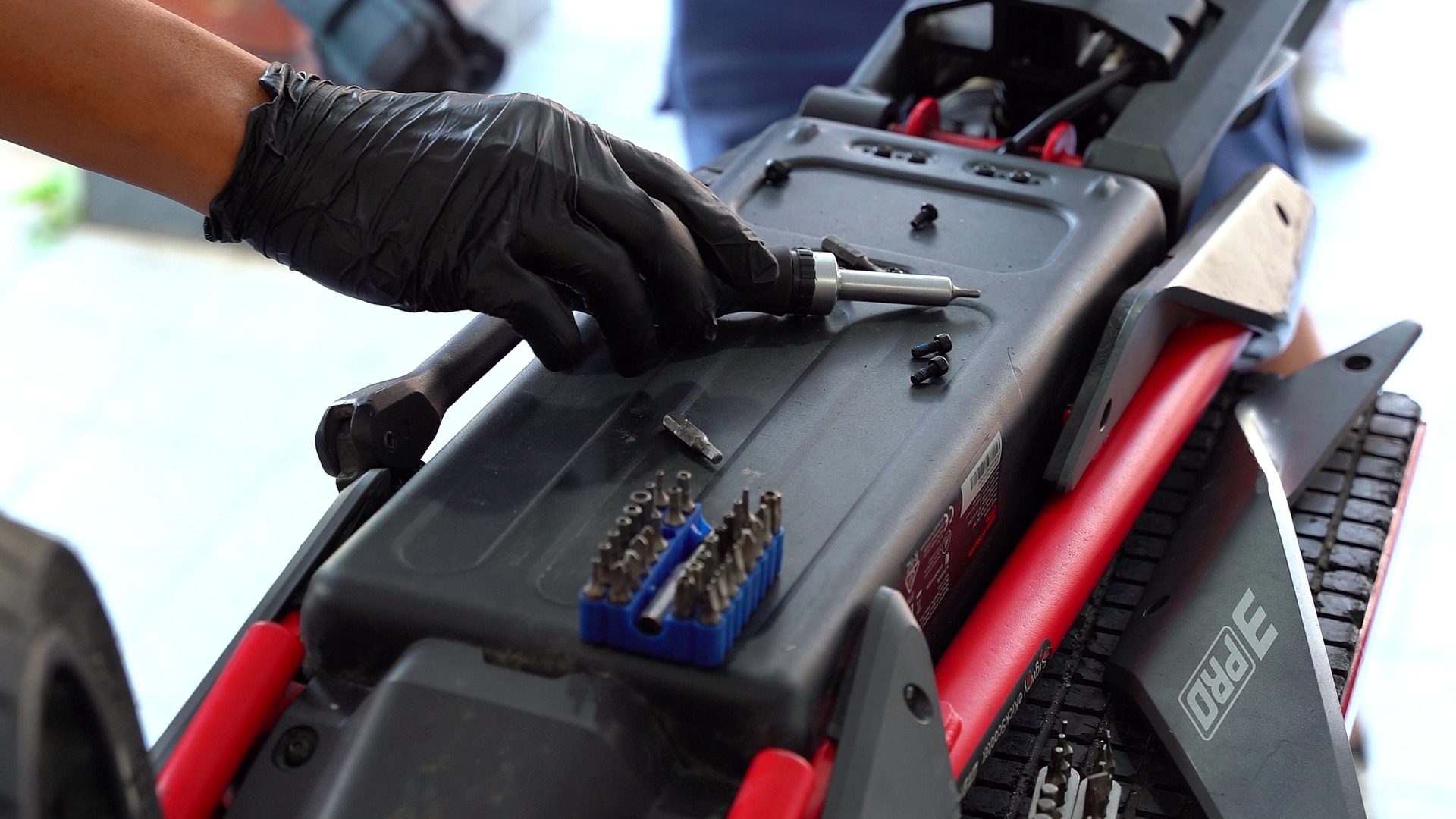
Electric scooter battery care: the charging habits that protect your pack
Battery packs rarely fail all at once. They fade, and most of the fade comes from a handful of everyday habits. What to do, and what to stop doing.
Read the guide