
Electric scooter battery care: the charging habits that protect your pack
Battery packs rarely fail all at once. They fade, and most of the fade comes from a handful of everyday habits. What to do, and what to stop doing.
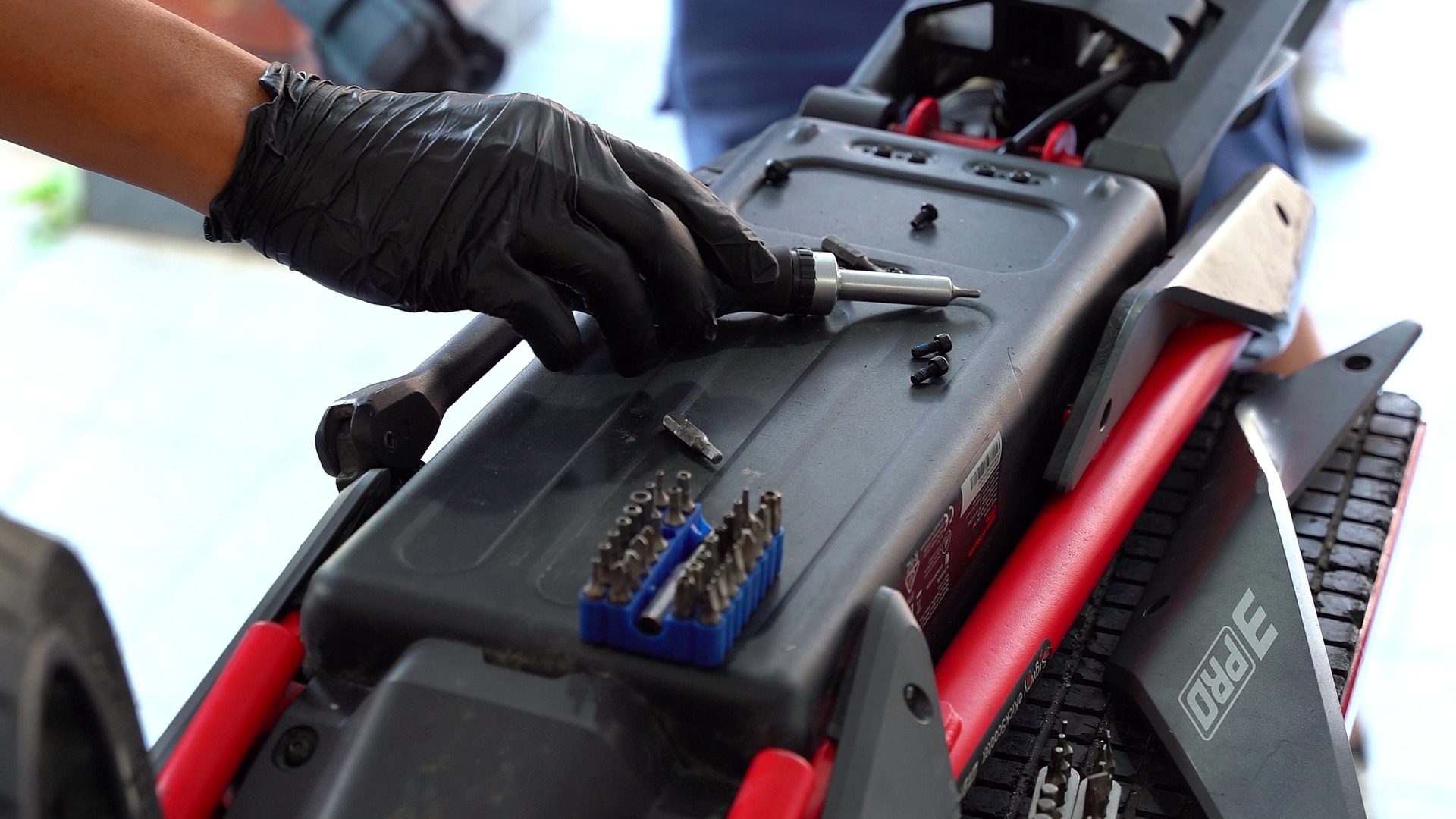
The battery is usually the most expensive single component on an electric scooter, and it is the one most affected by how the owner treats it. Packs rarely fail all at once. They fade, and by the time the range feels obviously short, the habits that caused it have been running for months.
None of the advice below is complicated. It is the same guidance we give riders across the bench every week.
Avoid both extremes of the charge range
Lithium packs last longest in the middle of their range. Two habits sit at the edges and both cost you capacity:
- Routinely running the pack down to zero before charging.
- Leaving the scooter sitting at a full charge for days at a time.
If your daily ride only uses a fraction of the battery, there is no benefit to topping it up to full every single night. Charging to full before a longer ride is fine. Living at full is what wears the pack.
Let the pack cool before you plug in
After a ride, especially a hot one, the pack is warm. Charging a warm battery in Malaysian ambient temperatures stacks heat on heat, and heat is what ages cells fastest. Give it time to come down to room temperature before connecting the charger.
The same logic applies to where the scooter is parked. A pack that spends every afternoon in direct sun inside a closed car boot is being cooked between rides.
Charge on a hard, non-flammable surface
Charge where a fault cannot spread: a tiled or concrete floor, clear of bedding, curtains, cardboard, and stored fuel. Do not charge in a doorway or stairwell that people would need to use to get out. This is a safety habit rather than a battery-life habit, and it is the one worth being strict about.
Use the original charger
The charger that came with your scooter is matched to the pack's voltage and its charging profile. A substitute charger with the same connector is not automatically the same charger. If yours is lost or damaged, ask for a compatible replacement rather than guessing from a marketplace listing.
Watch the charger too. A charger that runs unusually hot, buzzes, or has a damaged cable or plug is worth showing us before it takes the pack with it.
Storing the scooter for a while
If the scooter is going to sit unused, do not store it full and do not store it empty. Leave the pack around half charge, and top it up every few weeks. A pack left flat for months can drop below the voltage where it will accept a charge at all.
Build in a check every 1,000 km or six months
Roughly every 1,000 km or six months, it is worth checking:
- Tyre wear and pressure.
- Brake pads and lever feel.
- That bolts and the folding mechanism are tight.
- Real battery range compared with when the scooter was new.
- The charger and charging port for heat or damage.
Catching wear early is almost always cheaper than replacing a damaged part later. Falling range is a measurement, not a mood, so compare against what the scooter actually did when it was new.
When to bring it in
Book a diagnosis if you see range dropping noticeably, the scooter cutting out under load or on inclines, charging that stops early or never completes, or any swelling, heat, or smell from the deck. Stop riding and stop charging immediately if you notice swelling or a burning smell.
Dr Scooter handles battery replacement, capacity upgrades, battery health checks, BMS symptoms, and charging faults, whether or not you bought the scooter from us. Send us the model, the symptoms, how the charger behaves, and a short video if you can.
Still deciding? Ask the workshop.
Send your route, rider weight, storage situation, and budget for a buying recommendation, or your model, symptoms, and a short video for a repair assessment.
More from the workbench.
How to choose an electric scooter in Malaysia: start with your route, not the spec sheet
Range and top speed are the easiest numbers to compare and the least useful on their own. Here is the order Dr Scooter works through before recommending a scooter.
Read the guide